
Last Updated on September 23, 2026 by Fadila
Good hygiene is important for our overall health, especially for women. And honestly, it’s not just about smelling fresh or looking clean; it’s about feeling good in your own skin. Female personal hygiene is a must.
The little things we do every day can support comfort, boost confidence, and even protect reproductive health. But let’s be real: a lot of us grew up hearing confusing advice or old-school myths that make simple routines feel way more complicated than they need to be.
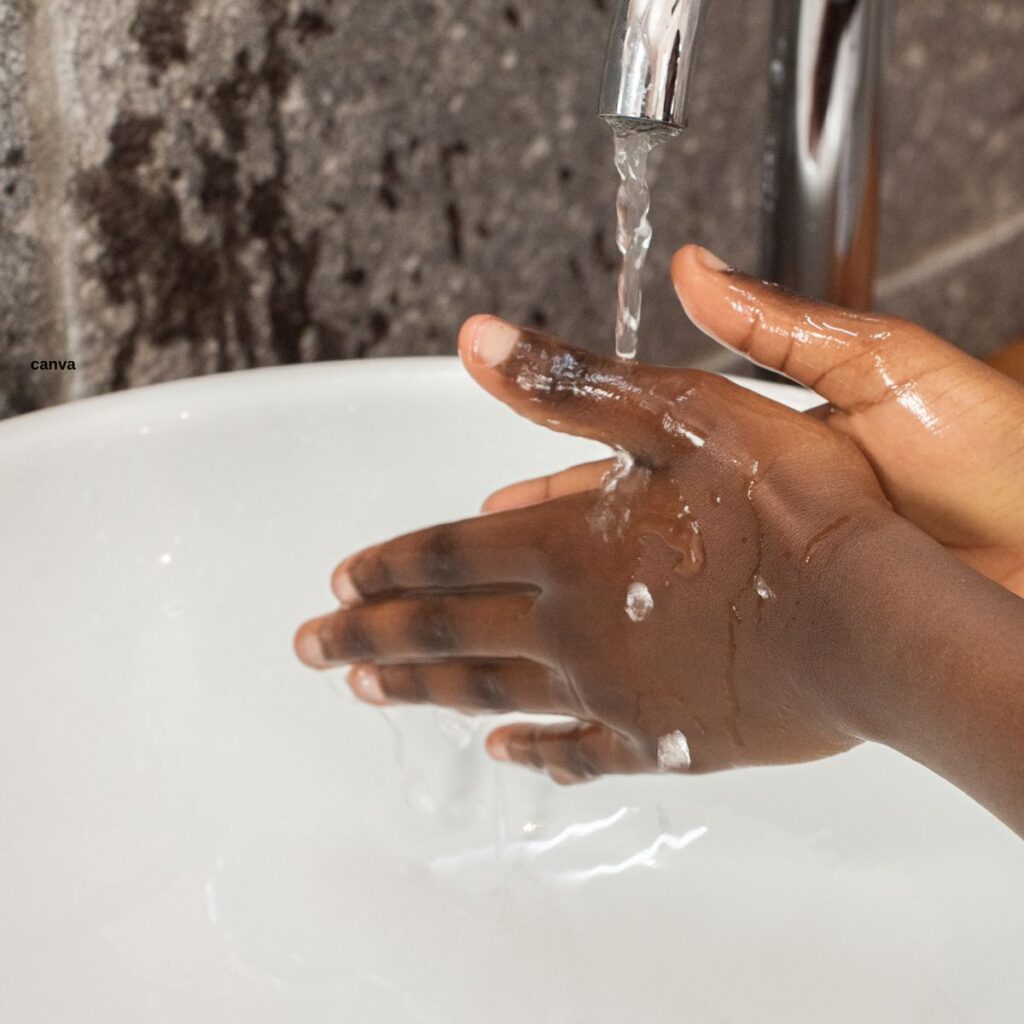
In this post, we are breaking things down in a way that actually makes sense. You will find practical tips, common myths, and everyday habits that can make a big difference, including a few you might not hear very often.
Female Personal Hygiene
Daily Personal Hygiene
A good daily routine is key for female hygiene. Clean your external genital area once or twice a day with mild, unscented soap and warm water. Avoid washing too often or using strong, scented products, as these can upset your body’s natural balance and cause irritation or infections like bacterial vaginosis or yeast infections.
Menstrual Hygiene
Good menstrual hygiene helps prevent infections and keeps you comfortable. Change your pads or tampons every 4 to 6 hours, or more often if your flow is heavy. If you use a menstrual cup, empty it, wash it, and reinsert it every 8 to 12 hours. Always wash your hands before and after handling any menstrual product.
Choice of Underwear
The underwear you choose can affect your hygiene. Cotton underwear is best because it lets your skin breathe and absorbs moisture, which helps prevent irritation and infection. Avoid tight underwear and synthetic fabrics, as they can trap heat and moisture.
Hydration and Diet
Staying hydrated and eating well can support your hygiene. Drinking enough water helps your body flush out toxins and keeps your mucous membranes healthy. Eating yogurt with live cultures can also support a healthy balance of vaginal bacteria.
Vaginal Discharge
Vaginal discharge is normal and helps keep your vagina clean and free from infection. The amount and consistency can change throughout your cycle. If you notice sudden changes in color, smell, or texture, or if you have itching or burning, see your healthcare provider.
Eliminate strong Body Odor
Body odor is normal, but you can manage it with good hygiene. Take regular showers, wear clean clothes, and use antiperspirant or deodorant on non-sensitive areas. For your genital area, avoid scented products and use gentle cleansing instead.
Hair Removal Hygiene
Some women remove pubic hair for personal or cultural reasons. If you shave, wax, or use other methods, keep things clean to avoid irritation, ingrown hairs, or infections. Always use clean tools, shave with the direction of hair growth, and moisturize afterward.
Regular Health Checkups
Regular gynecological checkups, like Pap smears, are important for women’s health. They help catch problems early. If you notice symptoms like ongoing itching, sores, or unusual discharge, talk to your doctor.
Pregnancy and Postpartum
Pregnancy brings hormonal changes that can affect your vaginal health and comfort. Bathe every day, wear cotton underwear, and change pads or panty liners often. Avoid harsh soaps and scented products to prevent irritation. After childbirth, care for your groin area to lower your risk of infection. Clean gently with warm water after using the toilet, pat dry, and change maternity pads often, especially in the first weeks. If you have stitches or unusual pain, check with your healthcare provider.
Exercise
Exercise is great for our health, but it can lead to sweating and sometimes irritation or infection. Change out of sweaty workout clothes as soon as you can to stop bacteria and yeast from growing. Shower after exercise, and pay extra attention to your intimate area. In public gyms or pools, wear flip-flops in locker rooms and bathrooms to avoid fungal infections like athlete’s foot. Use your own clean towel and don’t sit directly on shared surfaces. If you get chafing or irritation, try a fragrance-free barrier cream or powder before you exercise.
Busting Hygiene Myths
There are different opinions about female hygiene. For example, many people have different opinions about female hygiene. For example, the vagina cleans itself, so internal douching can actually be harmful. Scented products sold for “feminine freshness” may do more harm than good. Tight clothes don’t cause infections, but they can make you feel more moist or uncomfortable; see your gynecologist more often if recommended.
Female Personal Hygiene
- Consult your healthcare provider for guidance on postpartum hygiene, especially if you have stitches or experience discomfort.
- Use a clean towel and avoid sitting on shared surfaces with bare skin.
- Use panty liners if necessary, but avoid wearing them all the time as they can trap moisture.
- Never share shaving sticks or razor blades with others.
- Always shower after strenuous activities to remove sweat and bacteria.
- Change underwear daily and after exercising, and wash it in mild, fragrance-free detergent.
- Always wipe from front to back after using the toilet to prevent bacteria from the anus from spreading to the vagina.
- Dispose of used sanitary products properly. Never flush pads or tampons down the toilet, as this can cause plumbing issues.
- Avoid using douches or perfumed sprays in the vaginal area, as these can upset the natural balance and lead to infections.
On a lighter note
Good hygiene for women is about more than staying clean. It means using safe practices, choosing the right products, building healthy habits, and getting medical help when you need it. By following these tips, you can protect your health, feel more confident, and enjoy life more. Remember, every woman’s body is different, so pay attention to what feels right for you and ask a professional if you have concerns. Download this personal hygiene kit list for women. I hope you find it useful.
Feel free to pin this post to your Pinterest board, share it on Facebook, and subscribe to the blog if you haven’t already. Thank you again, and I look forward to seeing you in my next post.

Leave a Reply