
Last Updated on August 29, 2026 by Fadila
Chia seeds work differently for each individual. These small black and white seeds contain a high amount of nutrients. They have been hailed as a superfood worldwide. This post touches on the benefits and side effects of chia seeds. It also includes how to include them in your everyday routine. So, are chia seeds really that beneficial?
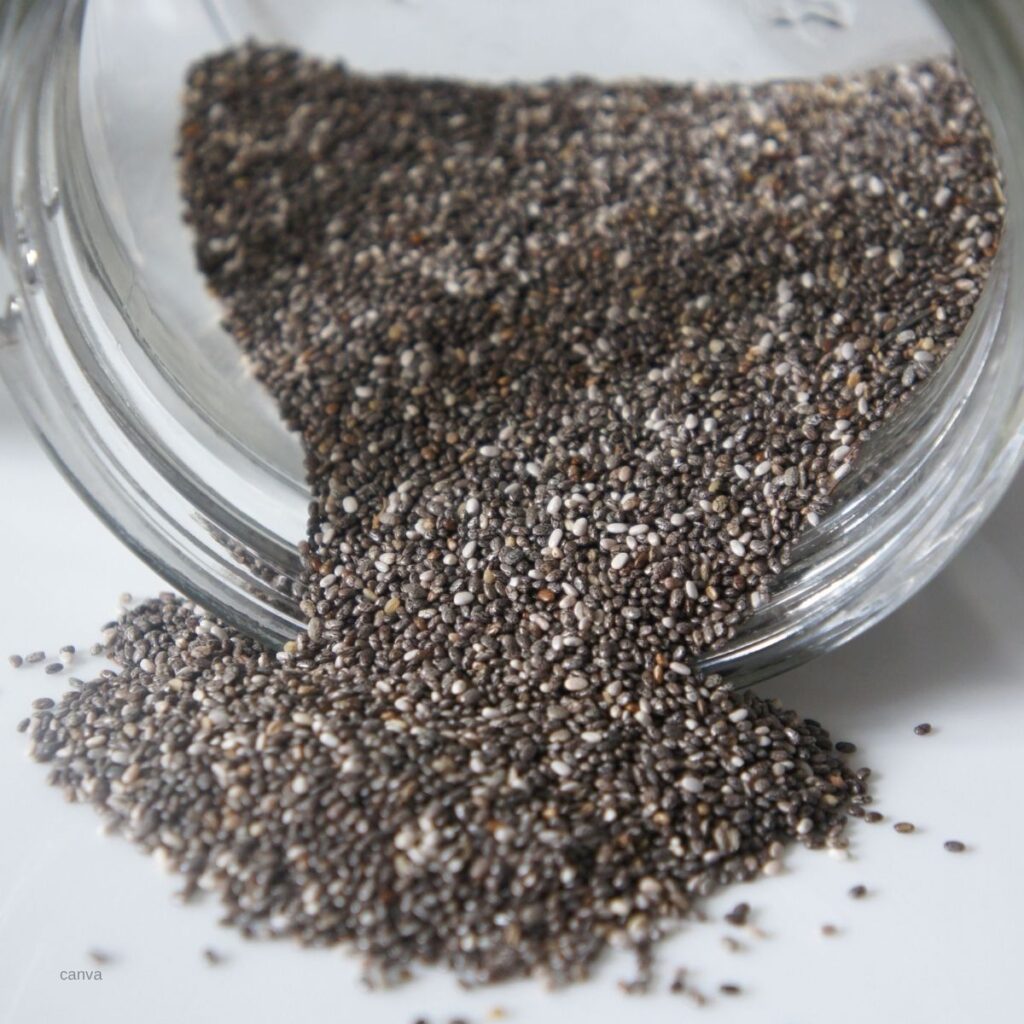
How chia seeds work
I started taking chia seeds after doing extensive research on their health benefits. At first, I was hesitant because I have a real discomfort when it comes to small, clustered holes. Something about the way soaked chia seeds look makes me uncomfortable. I almost gave up before I even started. Then I reminded myself why I wanted to try them in the first place: the promise of more fibre, better digestion, and a boost of nutrients.
To get around my aversion, I came up with a simple strategy. I try not to look at the seeds too much, especially once they’ve absorbed water and taken on that jelly-like appearance. Instead, I drink a gulp immediately or add them directly to my morning smoothie or stir them into yoghurt, where they blend in with other textures and flavours. This way, I can enjoy the benefits without focusing on how they look.
Over time, I’ve noticed positive changes. My digestion feels a lot more regular, and I genuinely feel fuller for longer after breakfast. I still get a bit squeamish if I look too closely at the seeds, especially when they’re in water, but I’ve learned to work around it. If you share my discomfort with tiny holes or textures, I recommend mixing chia seeds into foods where they’re less noticeable. The health rewards seem well worth it!
Benefits and side effects of chia seeds
Every spoonful provides nutrients. They contain a good amount of zinc, vitamin B3 (niacin), potassium, vitamin B1 (thiamine), and vitamin B2; a portion has only 137 calories, making chia seeds one of the most nutrient-dense foods in the world on a per-calorie basis.
While chia seeds offer a range of health benefits, it’s important to know about potential side effects. Most people can eat chia seeds safely in moderation, but side effects are more likely if taken excessively. Their high fibre content can cause digestive discomfort such as bloating or constipation, especially if intake increases rapidly or isn’t balanced with enough water. Because they absorb liquid and swell, chia seeds can pose a choking risk if consumed dry, so always mix them into moist foods or soak them first. Allergic reactions are rare but possible. Chia seeds may also interact with blood pressure or diabetes medications, so check with a healthcare provider if you have concerns. For healthy individuals consuming reasonable amounts, chia seeds are unlikely to cause problems with medications.
Despite these risks, most people can enjoy chia seeds safely and benefit from their nutritional value by introducing them gradually and consuming them in moderation.
1. A rich source of antioxidants
Chia seeds contain a great deal of antioxidants. These help the body resist damage from free radicals, unstable molecules that can speed up the ageing process.
2. High fibre content for good digestive health
Chia seeds contain 11 grams of fibre per serving, making them an excellent way to increase your daily fibre intake. Because fibre supports digestive health, it helps keep the digestive tract functioning smoothly and contributes to the growth of beneficial gut bacteria. The soluble fibre in chia seeds absorbs water, swells into a gel-like substance, and creates a feeling of fullness, which could aid weight management.
3. Omega-3 Fatty Acids That Are Plant-Based
Chia seeds are one of the best plant sources of the omega-3 fatty acids known as alpha-linolenic acid (ALA). These omega-3 fatty acids support heart and brain health, reduce inflammation, and promote overall health. Even though the omega-3 in chia seeds is not absorbed by the body as easily as that found in fish, taking them regularly can still help to meet your daily requirement and offer considerable advantages, particularly for people who follow a vegetarian or vegan diet.
4. It may help with losing weight
Because chia seeds can absorb up to 12 times their weight in water and expand in the stomach, they may increase fullness, slow food absorption, and reduce appetite. Many studies suggest that the high fibre and protein in chia seeds might lead to a lower total calorie intake by promoting satiety and reducing snacking between meals. Although chia seeds are not a magic cure for weight loss, they can still be a useful part of a well-balanced diet.
5. Support Healthy Bones
Chia seeds contain several nutrients important for bone health, such as calcium, phosphorus, magnesium, and protein; on a gram-for-gram basis, they have more calcium than most dairy products and are an excellent source for people who do not eat dairy. Eating them regularly improves bone mineral density and overall bone strength.
6. It may reduce the risk of heart disease.
The heart-health benefits of chia seeds may come from their combination of fibre, protein, and omega-3 fatty acids. Studies suggest chia seeds may help to lower blood pressure, reduce cholesterol levels, and decrease inflammation, all of which are important in lowering heart disease risk. However, further research among humans is still required, although the early results are encouraging.
7. Simple to include in your diet
One of the best things about chia seeds is how easy they are to add to your daily meals. Their mild, neutral flavour means you can sprinkle them on morning oatmeal or yoghurt, add a spoonful to smoothies, or stir them into porridge for extra texture and nutrition. For a simple pudding, combine chia seeds with milk or a milk alternative and let them soak overnight. Add a touch of honey and fresh fruit for a healthy breakfast or snack. You can also mix chia seeds into homemade granola, energy bars, or salad dressings, or use them to thicken soups and jams. Because you don’t have to grind or cook chia seeds to absorb their nutrients, it’s easy to boost your meals with a nutritional punch without any extra hassle.
8. May Help Control Blood Sugar
Because of their high fibre content, chia seeds may help stabilise blood sugar levels after meals, which can be especially advantageous for people with type 2 diabetes or at risk of developing it. While some studies suggest chia seeds can increase insulin sensitivity and reduce blood sugar spikes, additional research is still needed.
9. Natural Energy Booster
Because of the protein, healthy fats, and fibre in chia seeds, they provide a gradual release of energy and are popular with athletes and other active people. Ancient Aztec warriors reportedly used chia seeds to boost endurance and strength, and current research supports their value in keeping energy levels steady throughout the day.
On a lighter note
The small seeds offer great advantages. Although chia seeds are small, their benefits are meaningful. Research shows that chia seeds may support heart and bone health. They can improve digestion and provide a rich source of plant-based nutrients. For example, studies published in journals like the Journal of Food Science and The American Journal of Clinical Nutrition highlight chia seeds’ positive effects on blood sugar, cholesterol, and fullness. With a mindful approach, chia seeds can be a simple and nutritious addition to your daily routine. Whether you want to boost your nutrition or try something new, adding chia seeds is an easy way to support a healthier lifestyle.
Feel free to pin this post to your Pinterest board, share it on Facebook, and subscribe to the blog if you haven’t already done so. Thank you again, and I look forward to seeing you in my next post.

Leave a Reply